
Keep stiff joints comfortable every day
Short routines you can repeat at home, in a hotel room, or before the kettle boils — built for stiff mornings and easier everyday movement. General information only; it does not replace advice from your physiotherapist or GP.
Start with two minutes. Add when it feels easy.
Waymark Nordic is an educational resource for adults in the UK who wake up stiff and want to stay active without overthinking it. We publish short daily movement routines you can do at home, in a hotel room, or before the kettle boils. Nothing here replaces advice from a physiotherapist or your GP, and we will not pretend otherwise. What we can do is give you clear, low-friction guidance you can actually repeat on a Tuesday.
Stillness, not damage
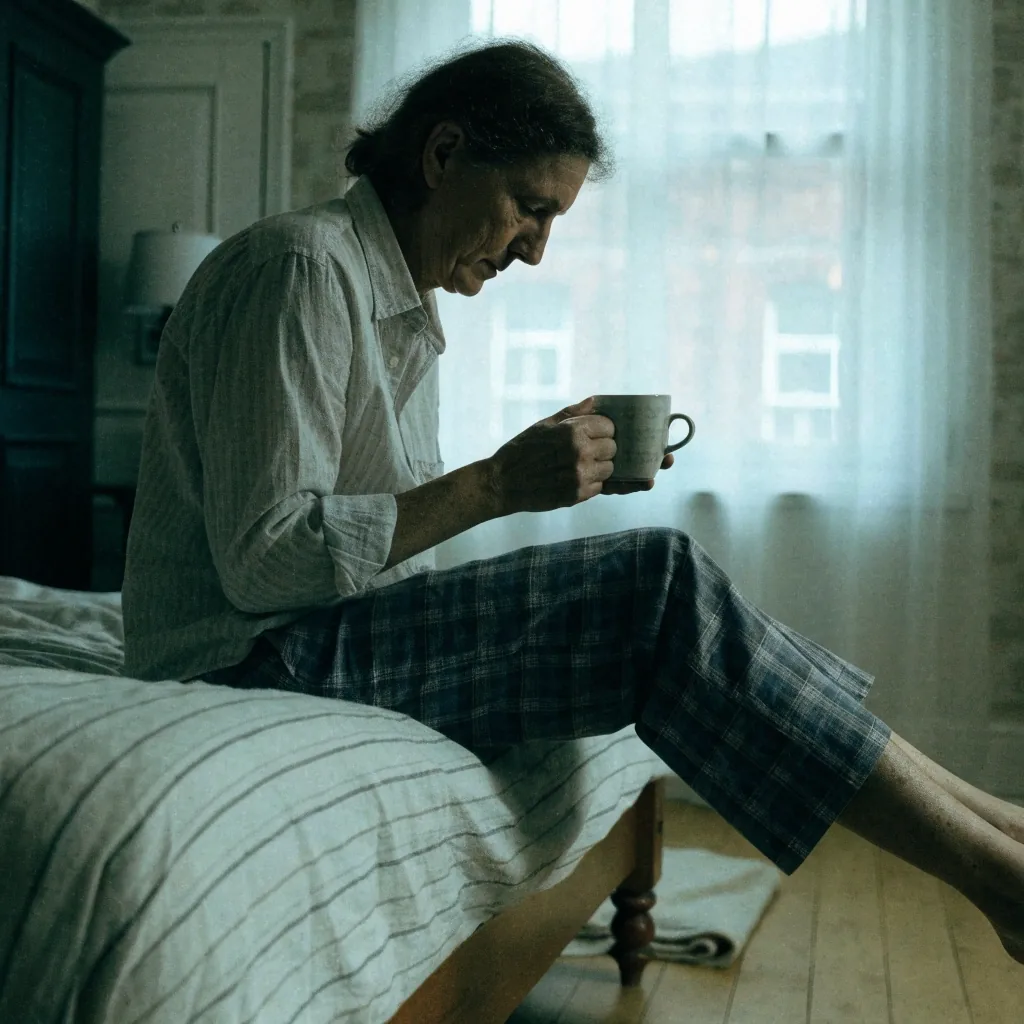
Most people notice stiffness before they notice anything else. You sit up, swing your legs out of bed, and the first few steps feel like moving through treacle. Part of that is simply stillness: fluid and tissue settle when you do not move for seven or eight hours.
The practical answer is not a dramatic 45-minute session at 6am. It is a short sequence of gentle movement that tells your body the day has started. Two or three minutes is a real starting point — most people settle into eight to fifteen. The people who stay comfortable are rarely the ones doing the most; they are the ones who do something most mornings.
Cold rooms, a soft mattress and a long lie-in all add to the effect. If your first steps happen on a landing or a narrow hallway, keep a wall or banister within reach for the first minute or two, and let the range come back before you add pace.
Three blocks, in this order
A typical Waymark Nordic session runs 8 to 15 minutes and covers ankles, knees, hips and the lower back — in that order, because stiff ankles and hips tend to make knees work harder than they need to. No equipment, no floor mat required.
-
First block
Range of motion
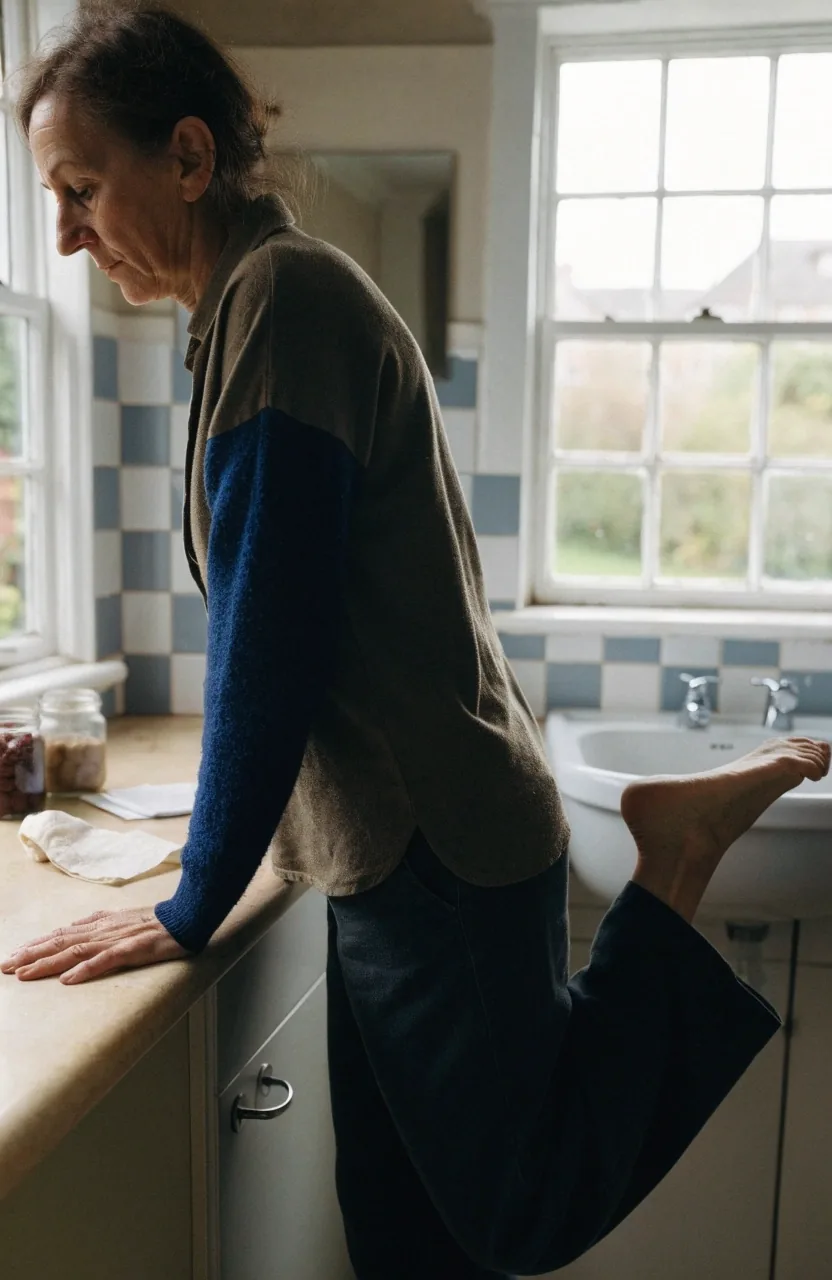
Move each area through a comfortable range, then ease a little further. Ankles first, drawn slowly; then knees, bending and straightening at the counter; then hips, circles and gentle lifts; then a slow lower-back roll. Hold nothing longer than feels useful.
-
Second block
Gentle stretch
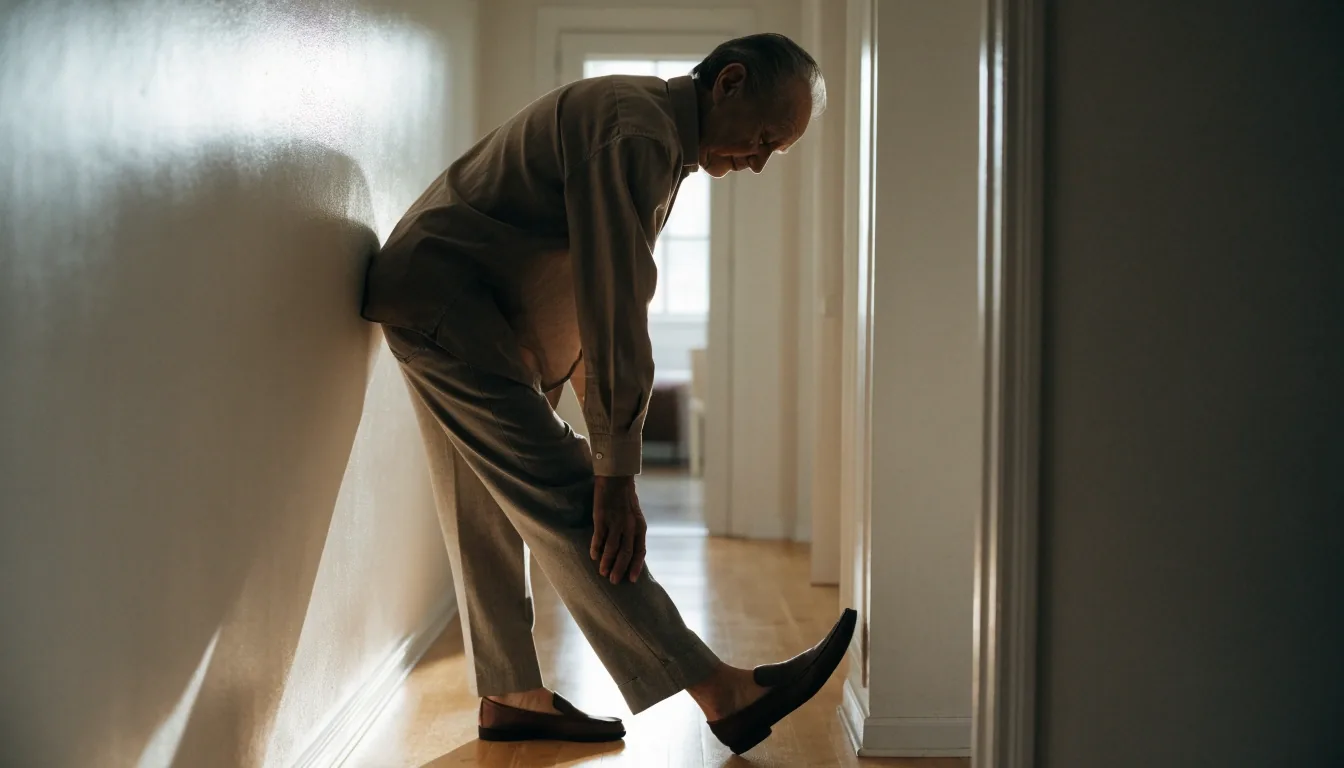
Once things are moving, a handful of slow stretches held for around 30 seconds where that suits you: calf, hip flexor, hamstring, and a long reach overhead. Breathe out on the ease, not the push.
-
Third block
Small strengthening work
Short and undramatic: a sit-to-stand from the kitchen chair, a low step tap, a heel raise at the counter. Two sets is plenty. This is what supports the movement you have just earned.
The whole thing works standing at a kitchen counter. If standing first thing is not comfortable, every block has a seated version — same order, same pace.
Pick one route and repeat it
If you only read one page, start with the daily mobility routines and run the 10-minute version for a week before changing anything. If your knees are the loudest voice in the room, the knee-friendly movement page is the better entry point. If you bounce between energetic weeks and immobile ones, go straight to pacing and recovery. Consistency is the whole method.
Daily mobility routines
The 10-minute sequence, in order, with a seated version of every block. This is the page to open tomorrow morning.
Start the 10-minute daily routineKnee-friendly movement
Lower-load options when knees complain first: fewer deep bends, more ankle and hip work, and support at the counter to share the effort.
See knee-friendly movement optionsPacing and recovery
How to scale a session up or down without losing the habit, so a loose day does not cost you the rest of the week.
Read about pacing and recoveryMovement earns the strength
Newcastle Hospitals NHS Foundation Trust publishes physiotherapy self-help guidance that describes range-of-motion work as a way to help improve stiffness. The idea is simple: move an area through a comfortable range, ease a little further where it feels tolerable, and hold positions for around 30 seconds to 2 minutes where that suits you.
That is the shape of the first block in every routine here. Once you have movement, you add a small amount of strengthening work to support it. Not the other way round. Loading a stiff area before it moves is how people end up sore for three days and convinced movement is not for them.
Two different jobs
This trips people up constantly. Mobility work is about how far an area travels and how comfortably it gets there. Strengthening work builds the muscle that controls that travel. They are not interchangeable, and doing one does not buy you the other.
East Sussex Healthcare NHS Trust's hip and knee exercise leaflet suggests a sensible split: stretching daily, strengthening two or three times a week, and aerobic activity two to five times a week. So the honest answer to "how much?" is: less than you think, more often than you expect.
| Kind of work | What it does | Common split |
|---|---|---|
| Mobility and stretch | How far things move, and how easily | Daily, a few minutes is enough |
| Strengthening | The muscle that controls the movement | Two or three times a week |
| Aerobic activity | Keeps the whole system in the habit of working | Two to five times a week |
Notice what is not in the table: a target number of repetitions, a duration to beat, or a timeline. Those change with the person. Frequency is the part most people get wrong, and it is the easiest part to fix.
Pick the easiest one you can repeat
Walking, cycling and swimming come up again and again in UK musculoskeletal advice, and the goal is regular moderate activity rather than intensity. Some NHS leaflets mention 150 minutes a week as a broad target. We think the target matters less than the format: pick the easiest low-impact option you can realistically repeat, then let the weekly total look after itself.
Someone who walks 20 minutes every weekday morning is doing better than someone who plans three gym sessions and does one. If your knees are the loudest voice in the room, a flat paved path beats a hilly one, a bicycle beats a treadmill, and swimming takes the weight off entirely while still moving everything through a full range.
Once those three are habit, joint pain aid in movement routines stops feeling like something you have to schedule and starts being something you just do — a walk to the shop, a longer route home, a swim on the way past the leisure centre.
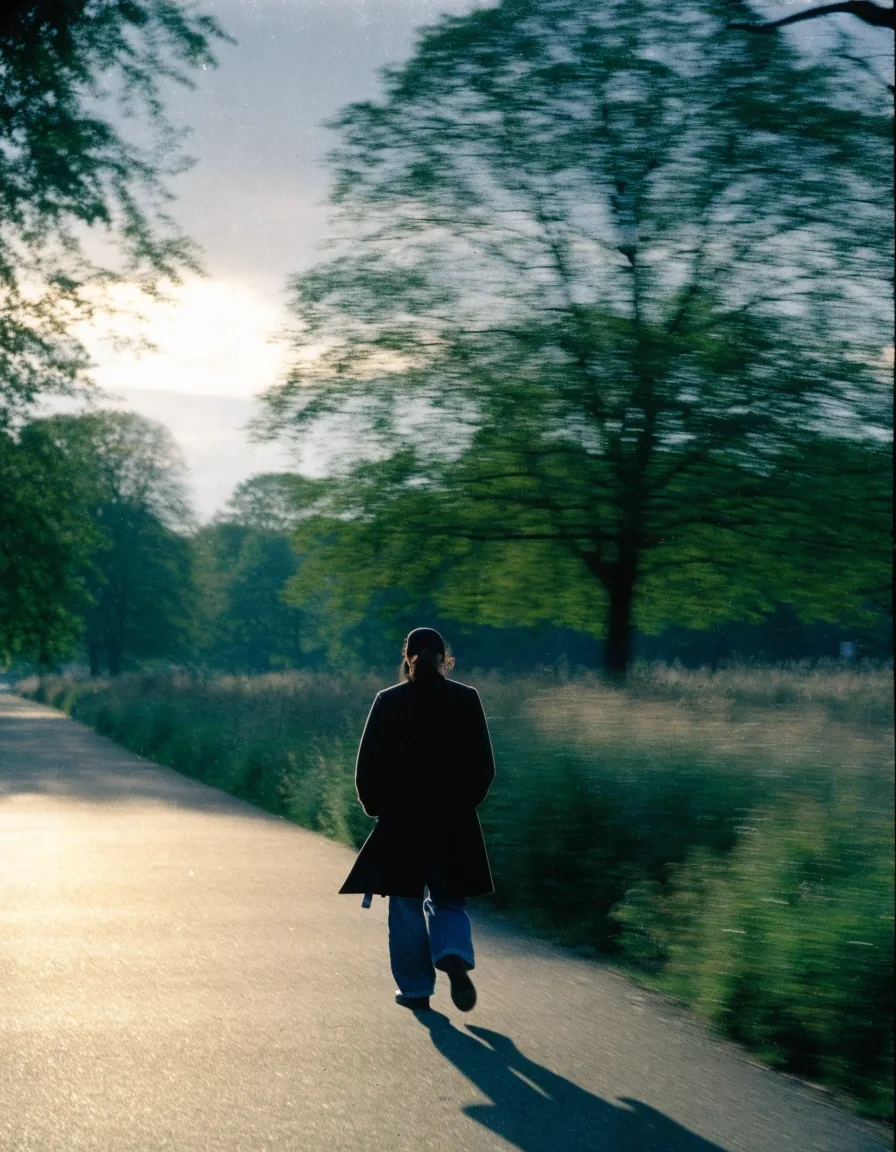
None of this needs to be a workout. Walking the long way home, taking the stairs when it is not a hassle, and getting off the bus a stop early all count, and they are far easier to keep going on a wet morning than a plan that needs a bag and a changing room.
The clearest line we can give you
NHS Inform publishes exercises for hip-related osteoarthritis and advises stopping if an exercise makes things worse or causes new pain. That is the line. It is not delicate, and it does not require interpretation.
Normal effort fades within a day or so. Sharp new pain, or pain that lingers and worsens, is your signal to ease back. Give it a day or two of gentler movement, and if it does not settle, speak to a healthcare professional. We are a movement resource, not a diagnostic service.
A warm, worked feeling in the muscles you used. It eases as you move around during the day. Keep the same routine next morning.
New or sharper discomfort during a session, or something that has grown worse by the following morning. Halve the session, keep the gentle range work, drop the strengthening block for a few days.
Pain that does not settle after a couple of days of gentler movement, or anything that worries you. Speak to your GP or a physiotherapist before continuing.
Boring beats heroic
A good day is the moment people overdo it. You feel loose, so you push, and then you lose three days to irritation. Pacing is not about doing less forever; it is about keeping the routine boringly consistent so the good days stop being a trap.
The routine you can repeat on a bad day is worth more than the perfect one you only manage twice a month. Practically, that means deciding your minimum in advance: two minutes of range work at the kitchen counter is a complete session on a hard morning, and it keeps the habit alive so the good mornings still have somewhere to land.
Our pacing page covers how to scale a session up or down without losing the habit — and how to tell the difference between a stiff morning that wants movement and a morning that wants rest.
Scaling one session
-
On a loose day
Stop at the minimum you planned, not the maximum you feel. Finish with something left.
-
On a normal day
Run the full 10 minutes: range, stretch, a little strength. No additions.
-
On a hard morning
Two minutes of gentle range work at the counter, seated if you need it. That still counts.
Steady on your feet
Balance exercises show up in comprehensive arthritis exercise advice, and they matter more than most people expect. They are what make walking, stairs and uneven pavement feel steady rather than risky. Stand on one leg while the kettle boils. Walk heel-to-toe along the hallway. These are small additions, and they belong alongside flexibility and strength rather than instead of them. Confidence on your feet changes how much you are willing to move at all.
The desk and the long sit
Stiffness is not only a morning problem. Two hours in a chair has a similar effect on hips and knees, just quieter. Our everyday habits page covers ways to break up long sits without rearranging your working day: standing for phone calls, a short walk to the far kitchen, stairs instead of the lift when it is not a hassle. Small and frequent beats big and occasional. You are not training for anything. You are just refusing to set.
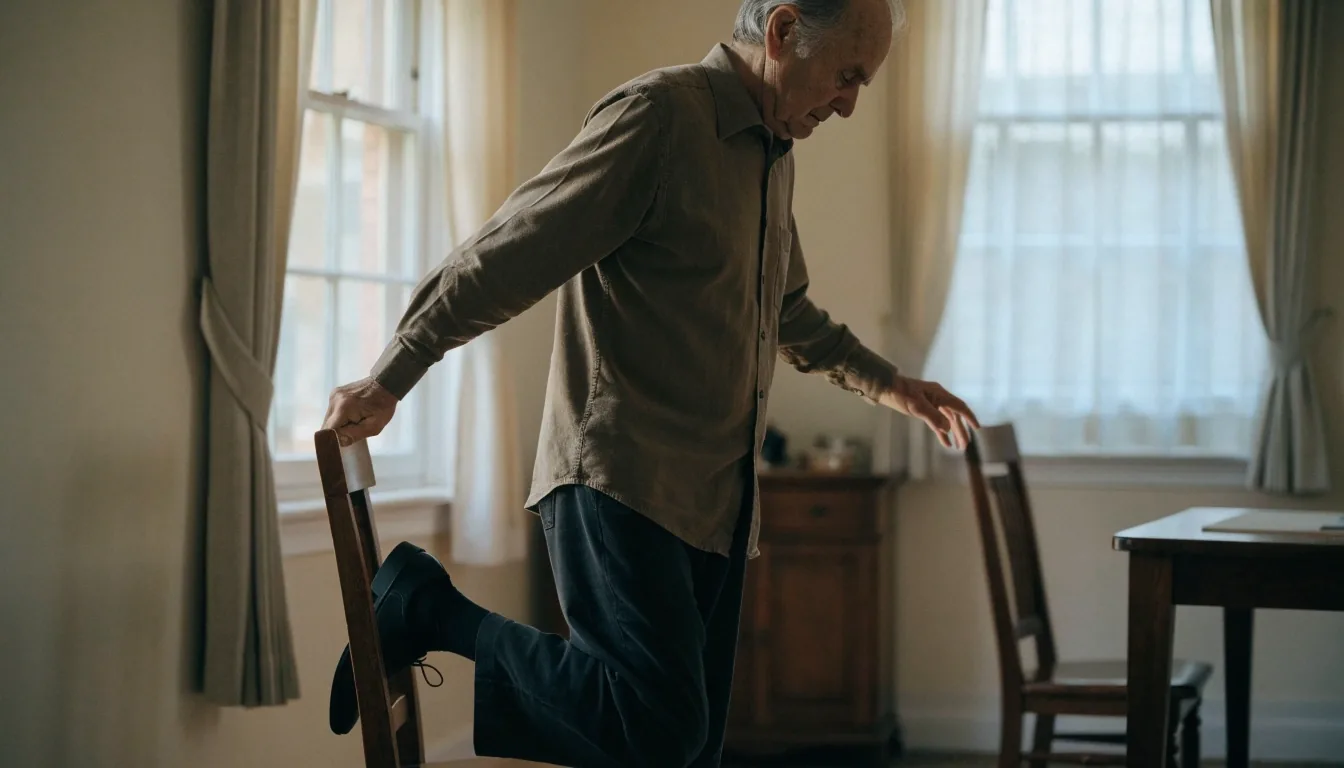
Keep a work surface or a chair back within reach when you first try balance work. The aim is a minute of steady standing, not a test. If your confidence is low, hold on; if it is high, let go for a few seconds at a time and build from there.
Build everyday movement habitsSlow the tempo, keep the attention
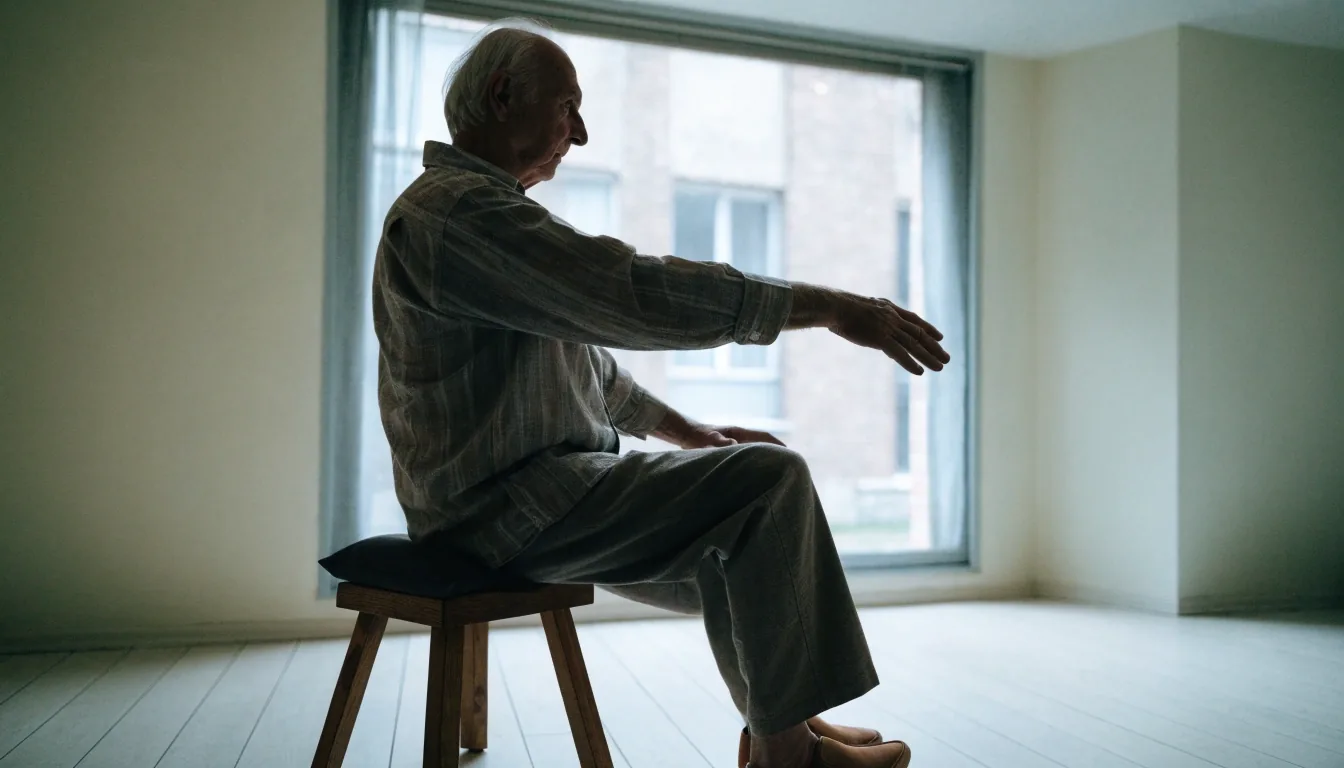
Mindful movement is a common wellness framing that emphasises body awareness and controlled motion. Strip away the packaging and it is decent advice: start gently, slow the tempo, pay attention to what feels comfortable, and breathe.
It fits stiff mornings perfectly, because the temptation at 7am is to force movement and the better move is to invite it. Controlled movement also tells you more about what your body is doing today than trying to hit yesterday's range. If a hip travels less far than it did on Tuesday, that is information, not failure.
No promises, no products
We do not sell anything, prescribe anything, or claim a routine will fix a joint. We do not publish before-and-after photographs or testimonials, because we do not have verified records for either. If a page here ever sounds like it is promising a guaranteed outcome, that is a mistake and we would like to hear about it.
What you get instead is plain guidance, ten minutes of movement you can do in your living room, and a clear line where we hand over to a clinician. If you are looking for capsules, quick fixes or a supplement to swallow, this is the wrong site and we would rather say so than waste your time.
You can read more about how the site is run, who it is written for, and what experience informs it on the about page. If something here is unclear, the contact page reaches a real inbox during working hours.
Plain answers, no hedging
What is the best daily routine for stiff legs and knees?
A short one you will repeat. Ours runs 8 to 15 minutes through ankles, knees, hips and lower back, with range-of-motion work first and gentle strengthening after. Ten consistent minutes beats a long session twice a month.
How much movement is enough to ease morning stiffness?
Two or three minutes is a genuine starting point, and most people settle into 8 to 15 minutes. The goal is regular daily movement rather than a big single session.
Should stretching happen before or after walking?
Either works. Many people prefer a few minutes of gentle movement first to warm up, then a stretch afterwards when the joints already feel looser. Do what gets repeated.
What is the difference between mobility work and strengthening work?
Mobility work covers how far a joint moves and how comfortably. Strengthening work builds the muscle that controls that movement. Both belong in a weekly routine, and they are not interchangeable.
How do you tell normal discomfort from a session that was too much?
Normal effort settles within a day. New pain, or pain that gets worse, is a signal to ease back. NHS Inform's advice is to stop if an exercise makes things worse or causes new pain.
Is it better to exercise little and often, or in one longer session?
Little and often suits stiff joints well because frequency keeps tissue moving through a comfortable range. One longer session a week is harder to sustain and easier to overdo.
Tomorrow morning, not next month
The routine only starts working when it happens on an ordinary Tuesday. Pick one route from this page, run the ten minutes for a week, and leave everything else alone until it feels automatic. If something is not clear, or a page here reads as though it is promising more than it should, tell us — the contact page reaches a real inbox Monday to Friday, 9:00 AM to 6:00 PM.
Waymark Nordic, 48 Fenchurch Street, London EC3M 3LY, United Kingdom. This site is general information for UK adults and does not replace advice from your GP or physiotherapist.