
Scale, don't stop
Do the seated version of the routine, or cut the walk to a short loop. The goal is keeping daily movement in place while the volume drops for one day.
Pacing is the least glamorous part of keeping stiff joints comfortable, and the part that decides whether your routine survives past week three. This page covers how to spread activity across the week, how to scale a session up or down, and what a sensible recovery day looks like.
The pattern is familiar. A good day arrives, you feel loose, you do everything you've been putting off, and the next three days are miserable. This isn't a discipline failure. It's a planning failure.
The fix is to decide your weekly activity level in advance and hold it even when you feel capable of more. Boring, yes. It is also how people reach month six still moving with a comfortable range.
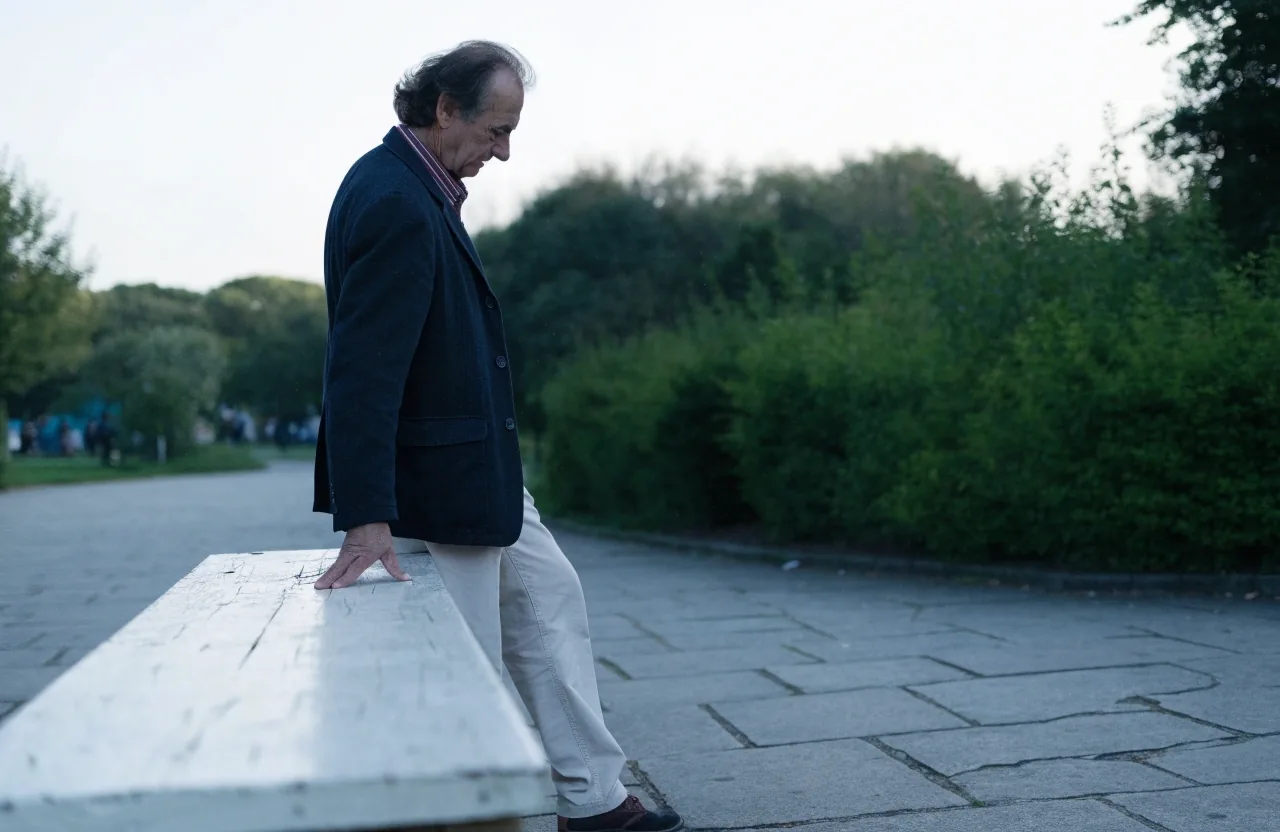
Feeling loose is information about today, not permission to spend the week's capacity in one afternoon.
A fixed weekly level keeps daily movement steady and gives stiff joints regular, predictable input.
Your baseline is the amount of movement you can complete on a mediocre day without paying for it afterwards. Not your best day, not your worst, somewhere lower than your instinct suggests. A ten-minute routine plus a short walk, for example. Once the baseline is genuinely easy for two weeks, add a little. This is slower than most people want and faster than most people manage.
If the routine only works on your best mornings, it is not a baseline. Write down the version you would still do with poor sleep and a full diary. That is the one you scale from.
Two identical weeks prove the level is genuinely repeatable. If the second week feels worse than the first, the baseline was already too high and you have found that early.
Only one addition at a time, then a full week at the new level. This is where natural joint care becomes a habit rather than a burst of enthusiasm.
Add one thing at a time, and give it a week. That might mean an extra five minutes on the daily routine, a third strength session, or a longer walk. If the new load sits comfortably for seven days, keep it and consider adding again.
If the following week feels worse, step back to the previous level rather than abandoning the routine. Progress here looks like a staircase, not a ramp, and each step is a level you can defend on a bad day.

A recovery day is not a day off from movement. It is a day of gentler movement: range of motion through a comfortable range, a short flat walk, maybe some seated work. The purpose is to keep tissue moving without adding load.
East Sussex Healthcare NHS Trust's pattern of daily stretching with strengthening only two or three times a week already builds recovery in, which is one reason that split works. You are not skipping work on a low day; you are choosing the version of the work that keeps the chain unbroken.
A short flat loop and a slow pass through comfortable movement. This is the maintenance version of the routine.
The harder sessions sit in the week on purpose, so the days between them stay easy to complete.
Two identical sessions can feel completely different depending on how you slept. That's not in your head, and it isn't a reason to skip. It's a reason to scale. On a poor-sleep day, do the seated version and call it done. The routine stays in place; only the volume changes. People who only move when they feel good tend to move very little between October and March.
Do the seated version of the routine, or cut the walk to a short loop. The goal is keeping daily movement in place while the volume drops for one day.
A ten-minute routine still counts as support joints daily. It is often the difference between keeping the habit and losing it entirely.
Two minutes of range of motion beats a skipped day, especially through the darker months.
Walking is the easiest aerobic option to dose precisely, which makes it ideal for pacing. You can choose the route, the pace and the duration without any equipment decisions. A flat fifteen-minute loop is a reliable recovery-day session.
Two of them, morning and late afternoon, often work better than one thirty-minute walk if stiffness tends to build during the day. Keep the pace conversational. If you can talk comfortably, you are in the right range for a recovery day.
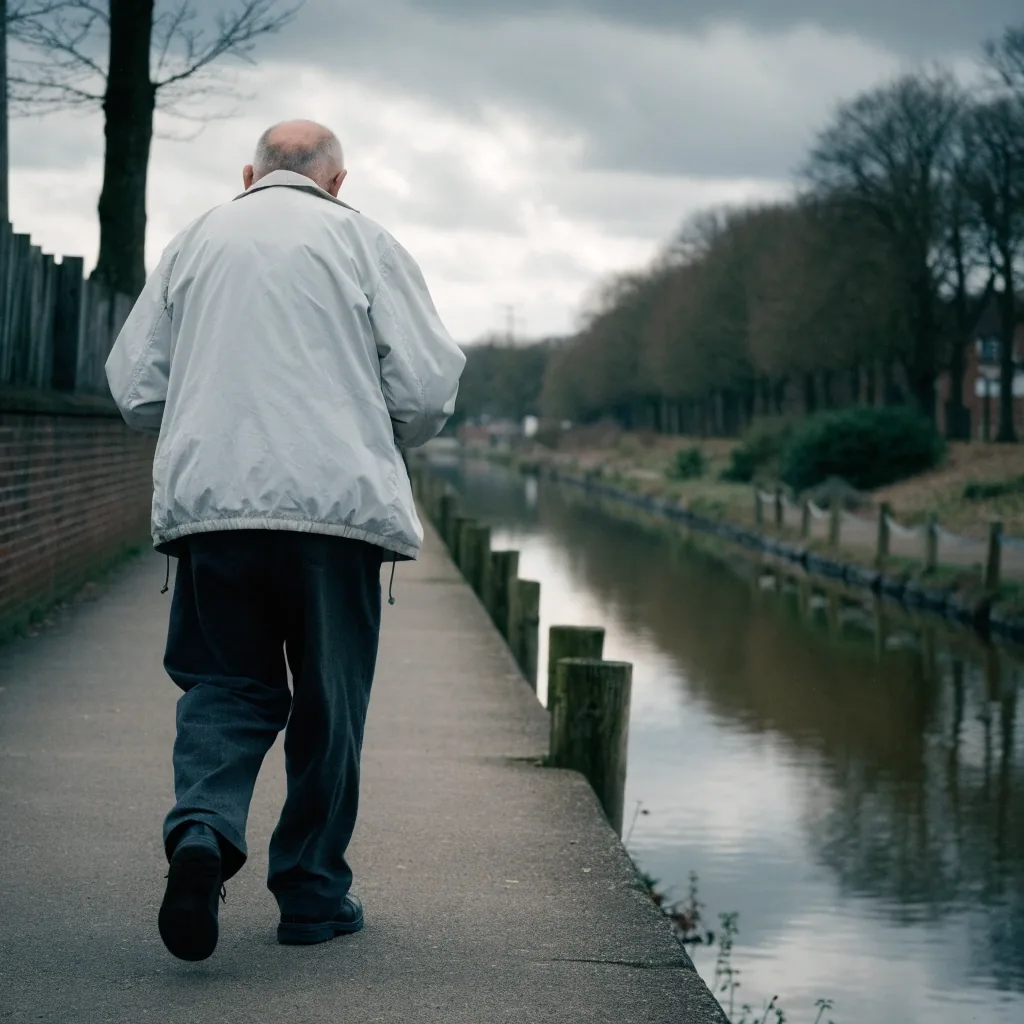
You need less data than you think. A weekly note of roughly how many sessions you did and how the following morning felt is enough. It takes thirty seconds. The value is spotting patterns across weeks, not judging individual days.
If you do want more detail, note which movements you did rather than how you felt about them. Feelings fluctuate; records don't. Over a month or two, the note tells you whether your baseline is genuinely holding or quietly drifting upwards.
A day where your usual starting point is noticeably harder than normal: stiffness takes longer to settle, or the first few steps feel heavier. On those days, run the seated version and skip the added-load session. The routine stays in place; the volume steps down.
Two full weeks at the same level, completed without paying for it the next day. If a week is broken by illness, travel or poor sleep, restart the count rather than counting partial weeks. Fast joint recovery is not the aim here; a repeatable level is.
It depends what tends to build up in your day. If stiffness settles in during the afternoon, splitting the walk gives you two chances to interrupt it. If you feel fine in the afternoon, a single walk is simpler and one decision fewer to make.
If you have a fever or feel genuinely unwell, rest is the sensible choice and the routine will wait. For ordinary tiredness or a low-energy day, the seated version of the routine is usually the better option than nothing at all. If you are unsure, speak to a qualified health professional.
The routines on this site are written to work alongside pacing, not replace it. Start with the daily mobility routines, then layer in the everyday movement habits that keep the week steady.
If you would like help adapting a routine to your own week, get in touch. We read every message and reply during working hours.
We are a small UK resource and we answer questions about pacing, routine length and how to adapt a session.
Ask us about adapting a routine